The Rise of Residential DOOH in Australia
For years, out-of-home advertising has been dominated by roads, shopping centres, airports and public transport networks. Brands have invested heavily in reaching consumers while they are on the move.
But consumer behaviour is changing.
People are spending more time within their local communities than ever before. Hybrid work, online shopping, food delivery and growing apartment living have fundamentally shifted where daily decisions are made.
Increasingly, the most valuable audience is no longer found in transit.
It is found at home.
The Emergence of Residential Attention
Every day, millions of Australians pass through the same residential touchpoints:
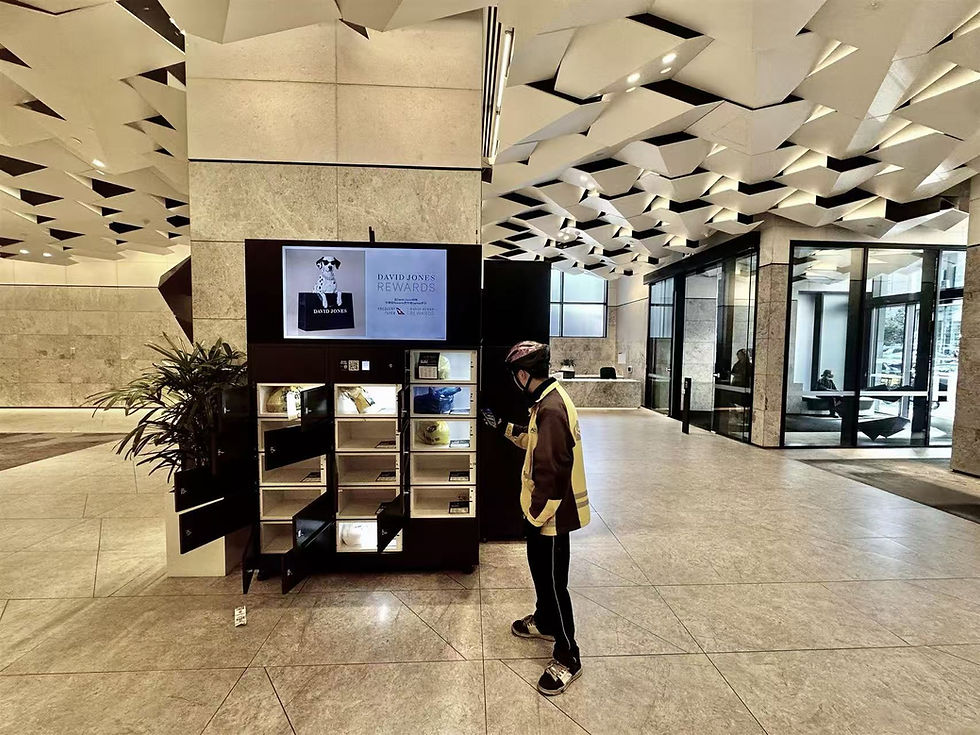
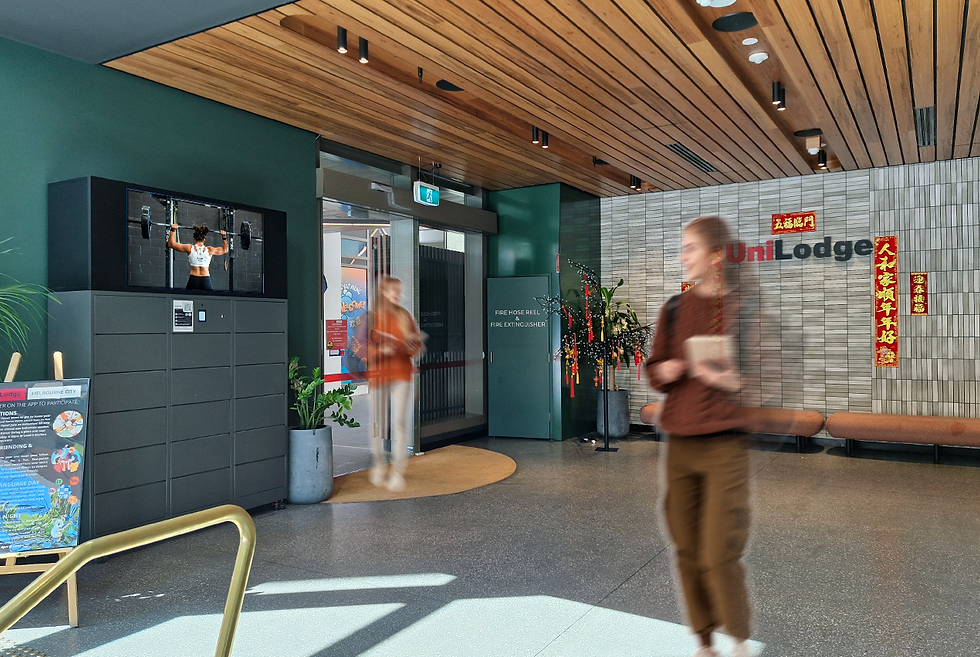
Apartment lobbies
Building entrances
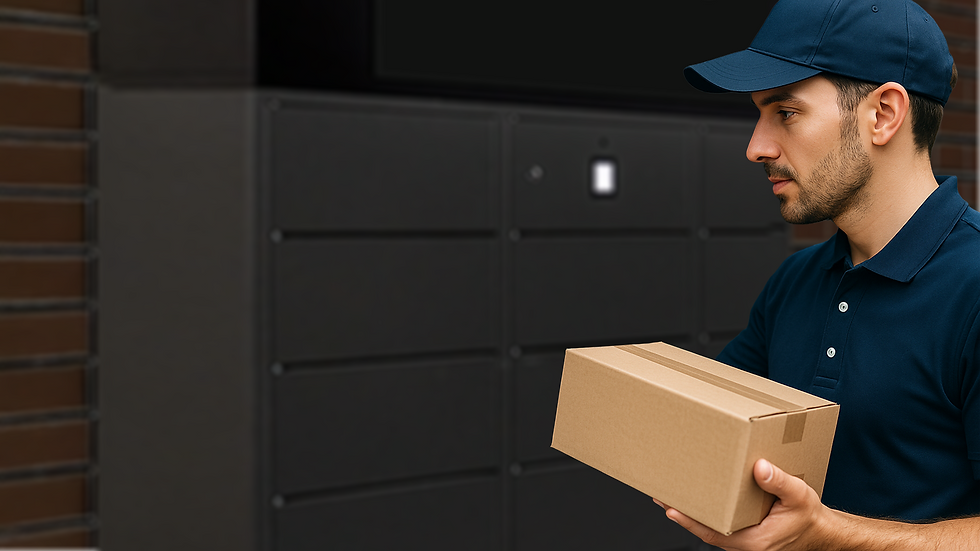
Parcel collection areas
Food delivery lockers
Lift waiting zones
Shared community spaces
These are not high-traffic locations in the traditional sense.
They are high-attention locations.
Unlike busy transport hubs where people are rushing past advertisements, residential environments provide repeated exposure to the same audience in familiar surroundings.
Residents return multiple times a day.
The audience is consistent.
The environment is trusted.
And attention is significantly less fragmented.
Why Residential DOOH Matters
Digital Out-of-Home (DOOH) has become one of the fastest-growing media channels globally.
Yet much of the industry remains focused on retail and transport environments.
Residential buildings represent the next frontier.
As Australia's apartment population continues to grow, residential communities are becoming powerful media ecosystems in their own right.
They offer three advantages that traditional outdoor media often cannot.
1. Verified Audience
Residential media reaches real residents rather than anonymous foot traffic.
For brands, this means connecting with consumers where household decisions are actually made.
2. Repeated Exposure
Most outdoor advertising relies on reach.
Residential media combines reach with frequency.
Residents see the same message repeatedly throughout the week, strengthening recall and consideration.
3. Contextual Relevance
The residential environment naturally aligns with many high-value categories:
Property and real estate
Financial services
Home improvement
Telecommunications
Insurance
Fitness and wellness
Food and grocery delivery
These are products and services that directly relate to daily life.
From Infrastructure to Media
For many years, residential technology focused on convenience.

Parcel lockers improved package management.
Food delivery lockers streamlined building operations.
Digital communication systems improved resident engagement.
These solutions solved operational challenges for property managers and residents.
But they also created something much larger.
They created a network of residential touchpoints.
As these touchpoints become connected and digitised, a new category emerges:
Residential DOOH.
What began as infrastructure is evolving into a communication platform.
The Future of Community DOOH
The next phase of out-of-home advertising will not be defined by larger billboards or more screens.
It will be defined by proximity.
The ability to reach people within the communities where they live, shop, order, exercise and make purchasing decisions.
Community DOOH represents a shift from mass exposure to meaningful exposure.
From anonymous audiences to verified communities.
From interruption to relevance.
As Australia's residential landscape continues to evolve, residential media networks will play an increasingly important role in connecting brands, buildings and communities.
The future of DOOH is not simply out of home.
It is closer to home.

.png)


.png)

.png)




_jpgFoodifox%20x%20Catering%20Project.jpg)

.png)


.png)
